And the Lesser-Known Side Effects Most Patients Aren’t Told About…
Statins are among the most commonly prescribed drugs in the world. For many people, they’re genuinely life-saving. But for people with Type 2 diabetes or insulin resistance, the story is more complicated than most quick doctor visits or prescription labels explain.
This article isn’t anti-statin.
It’s about understanding the tradeoffs, especially for diabetics who deserve a clearer picture of what’s happening inside their bodies.
Why Diabetics Are a Special Case
People with diabetes are already dealing with:
-
Impaired glucose control
-
Insulin resistance
-
Higher oxidative stress
-
Mitochondrial dysfunction
-
Increased inflammation
Statins can interact with all of these systems, sometimes in ways that worsen the very problems diabetics are trying to manage.
1. Statins Can Worsen Insulin Resistance
One of the most important—and least discussed—issues:
Statins can make insulin resistance worse.
Mechanistically, statins:
-
Reduce glucose uptake in muscle cells
-
Interfere with insulin signaling pathways
-
Increase circulating insulin levels over time
For a diabetic, this can mean:
-
Higher fasting glucose
-
Higher A1C
-
Greater reliance on insulin or medications
-
Progression rather than stabilization of the disease
In other words, statins may help cholesterol numbers while quietly worsening blood sugar control.
2. Statins Can Reduce Insulin Secretion
Statins don’t just affect insulin sensitivity—they may also affect insulin production.
Research suggests statins can:
-
Impair pancreatic beta-cell function
-
Reduce insulin secretion in response to glucose
-
Accelerate beta-cell fatigue in predisposed individuals
For diabetics, whose beta cells are already under strain, this can contribute to:
-
Earlier insulin dependence
-
Faster disease progression
-
Harder-to-control post-meal blood sugar spikes
3. Muscle Pain Isn’t Just “Annoying” for Diabetics
Muscle pain is often brushed off as a minor statin side effect. But for diabetics, it can have real metabolic consequences.
Why?
-
Muscle is the body’s largest glucose sink
-
Healthy muscle tissue improves insulin sensitivity
-
Muscle pain discourages physical activity
When statins cause:
-
Muscle aches
-
Weakness
-
Cramping
-
Fatigue
People move less, exercise less, and lose muscle mass—directly worsening insulin resistance.
4. CoQ10 Depletion: The Energy Problem No One Mentions
Statins block the mevalonate pathway, which doesn’t just produce cholesterol—it also produces Coenzyme Q10 (CoQ10).
CoQ10 is essential for:
-
Mitochondrial energy production
-
Muscle function
-
Heart function
-
Cellular repair
Diabetics already tend to have lower CoQ10 levels, and statins can push them even lower.
Low CoQ10 may contribute to:
-
Fatigue
-
Muscle weakness
-
Exercise intolerance
-
Worsening heart function
This depletion is rarely monitored—and often never mentioned.
5. Increased Risk of Peripheral Neuropathy
Diabetic neuropathy is already a major concern. Statins may add fuel to the fire.
Some studies and clinical observations suggest statins may:
-
Interfere with nerve membrane integrity
-
Reduce cholesterol needed for nerve insulation
-
Increase oxidative stress in peripheral nerves
For diabetics, this can potentially worsen:
-
Tingling
-
Numbness
-
Burning pain
-
Loss of sensation in feet and hands
While not everyone experiences this, it’s an under-recognized risk.
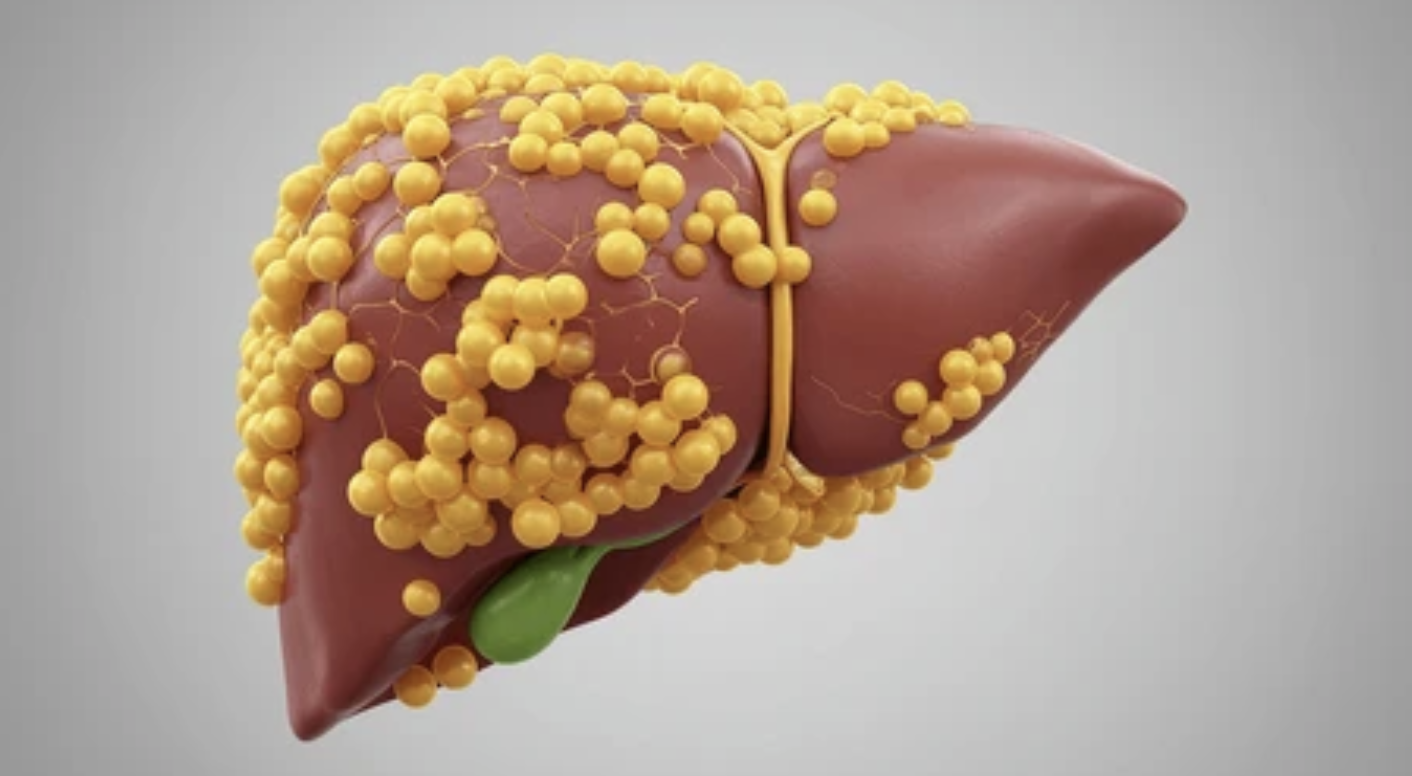
6. Liver Stress in a Population Already at Risk
Many people with Type 2 diabetes also have:
-
Fatty liver disease (NAFLD)
-
Elevated liver enzymes
-
Insulin-driven liver fat accumulation
Statins are processed through the liver and can:
-
Elevate liver enzymes
-
Increase liver stress
-
Complicate fatty liver progression in some individuals
While serious liver injury is rare, subclinical liver strain is more common than patients realize.
7. Cholesterol Isn’t the Only Cardiovascular Risk Factor
This is where diabetics often get shortchanged.
Statins lower LDL cholesterol—but diabetes-related heart disease is also driven by:
-
Chronic inflammation
-
Glycation damage
-
Oxidative stress
-
Small dense LDL particles
-
Insulin resistance
Lowering cholesterol numbers doesn’t always address these deeper drivers of risk, especially if glucose control worsens in the process.
Why This Information Often Gets Overlooked
-
Guidelines prioritize population-level outcomes
-
Cardiovascular risk reduction is heavily weighted
-
Side effects are often labeled “rare” or “mild”
-
Doctors have limited appointment time
-
Individual metabolic differences get ignored
But for diabetics, small metabolic changes add up.
This Doesn’t Mean Statins Are Always the Wrong Choice
It does mean they should be:
-
Individually assessed
-
Carefully monitored
-
Re-evaluated over time
Especially in diabetics without prior heart attack or stroke, the risk-benefit balance deserves a deeper conversation.
What Diabetics Should Monitor if They’re on a Statin
Instead of blindly continuing therapy, informed patients often track:
-
Fasting glucose
-
A1C
-
Triglycerides
-
Muscle symptoms
-
Energy levels
-
Neuropathy changes
-
Liver enzymes
-
Waist circumference
Some clinicians also consider CoQ10 supplementation, though this should be discussed individually.
Bottom Line
For people with diabetes:
-
Statins can worsen insulin resistance
-
They may impair insulin production
-
They can contribute to fatigue, muscle loss, and neuropathy
-
Benefits and risks vary dramatically by individual
Statins aren’t inherently “bad,” but they are not metabolically neutral—especially for diabetics.
Informed decisions require more than a cholesterol number.
Kidney Scan Uncovers Real Cause Of Diabetes…
This changes everything we know about diabetes!
Scientists at the University of Iowa School of Medicine have uncovered what exactly triggers diabetes through this nuclear kidney scan…
This deeply disturbing thing is going on inside your kidneys at this very moment…
Wreaking havoc on your insulin levels.
Find out more here:
>> [CLICK HERE] The Real Cause Of Diabetes Hidden In Your Kidneys

Disclaimer:
This content is for informational and educational purposes only. It is not intended to provide medical advice or to take the place of such advice or treatment from a personal physician. All readers/viewers of this content are advised to consult their doctors or qualified health professionals regarding specific health questions. Neither Abraham Parker, nor the publisher of this content takes responsibility for possible health consequences of any person or persons reading or following the information in this educational content. All viewers of this content, especially those taking prescription or over-the-counter medications, should consult their physicians before beginning any nutrition, supplement or lifestyle program.