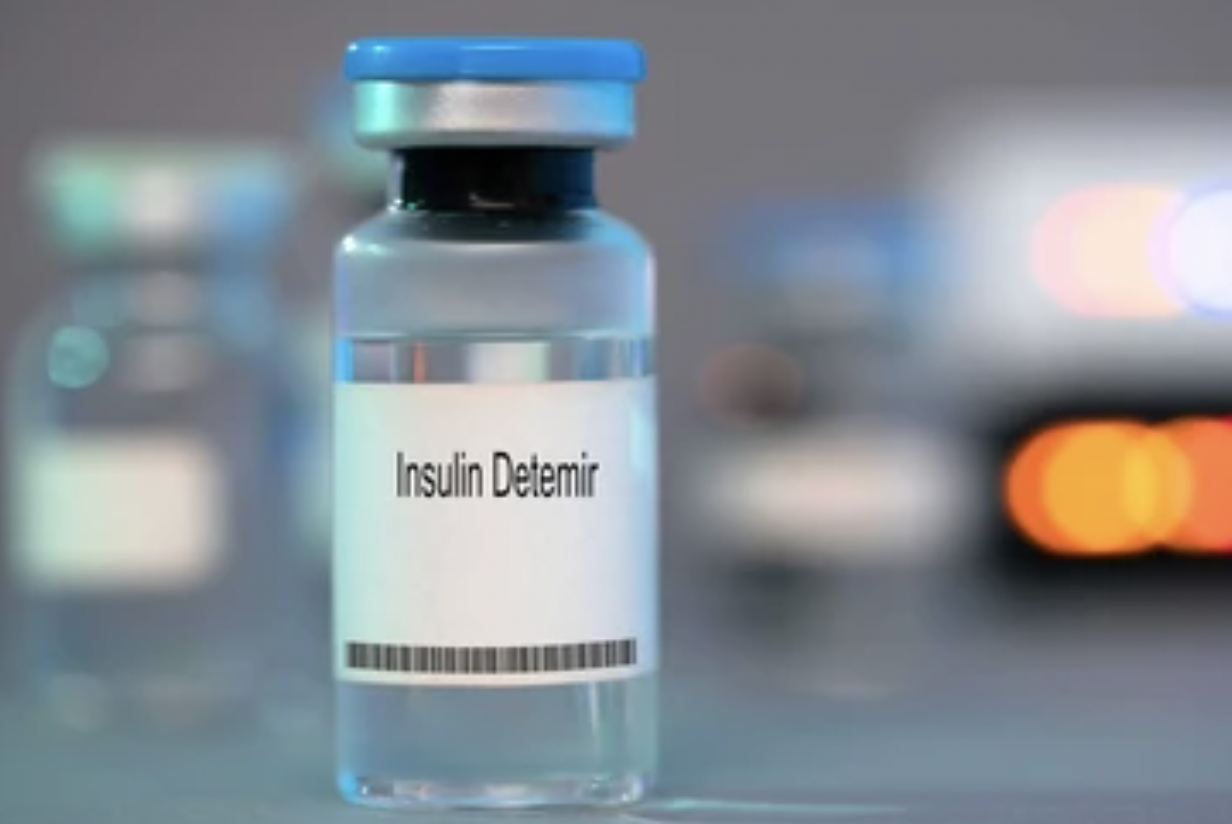
Many people think recurring infections or skin issues are just bad luck, poor hygiene, or stress. But one underlying factor often gets overlooked: blood sugar imbalance.
Whether you’ve been diagnosed with Type 2 diabetes or notice occasional spikes in blood sugar, it can dramatically affect your skin, nails, and susceptibility to yeast and fungal infections. Let’s break down exactly how.
Candida: When Yeast Overgrows
Candida albicans is a yeast that naturally lives in your gut, on your skin, and in mucous membranes. Normally, your immune system and microbiome keep it under control.
How Blood Sugar Plays a Role
-
Glucose fuels Candida, providing excess energy for yeast to multiply.
-
Immune suppression from elevated sugar makes it harder for your body to fight off infections.
-
Candida can overgrow in the mouth, gut, skin, and genital areas.
Health Implications and Risks
-
Digestive issues: bloating, gas, irregular bowel movements
-
Oral infections: persistent thrush or white patches in the mouth
-
Recurrent genital infections: vaginal or penile yeast infections
-
Systemic effects: if uncontrolled, Candida overgrowth can contribute to fatigue, sugar cravings, and weakened immunity
-
Increased risk for other infections: weakened immune defenses allow bacteria and fungi to thrive elsewhere in the body
Signs of Candida Overgrowth:
-
Oral thrush or white patches in the mouth
-
Vaginal or genital yeast infections
-
Skin rashes in folds or moist areas
-
Digestive disturbances like bloating, gas, or irregular bowel movements
-
Fatigue or sugar cravings
Managing blood sugar, reducing refined carbs, and supporting gut health are critical in preventing Candida overgrowth.
Eczema: When Skin Gets Inflamed
Eczema, or atopic dermatitis, is largely an inflammatory skin condition influenced by genetics and immune responses. But blood sugar spikes can worsen symptoms:
How Blood Sugar Plays a Role
-
Spikes in glucose increase systemic inflammation, making skin more reactive.
-
Immune suppression allows minor irritants or infections to trigger flares more easily.
-
Impaired skin barrier function leads to dryness, itching, and cracking.
Health Implications and Risks
-
Skin infections: cracks and scratches can become entry points for bacteria and fungi
-
Chronic inflammation: long-term uncontrolled eczema can increase oxidative stress and immune dysregulation
-
Impact on quality of life: itching, discomfort, and sleep disruption
-
Potential complications: persistent scratching can lead to scarring or thickened skin over time
You may notice that eczema tends to flare after high-sugar meals or during periods of poor blood sugar control. Stabilizing blood sugar can help reduce the intensity and frequency of these flare-ups.
Nail Fungus: The Hidden Sign of Blood Sugar Issues
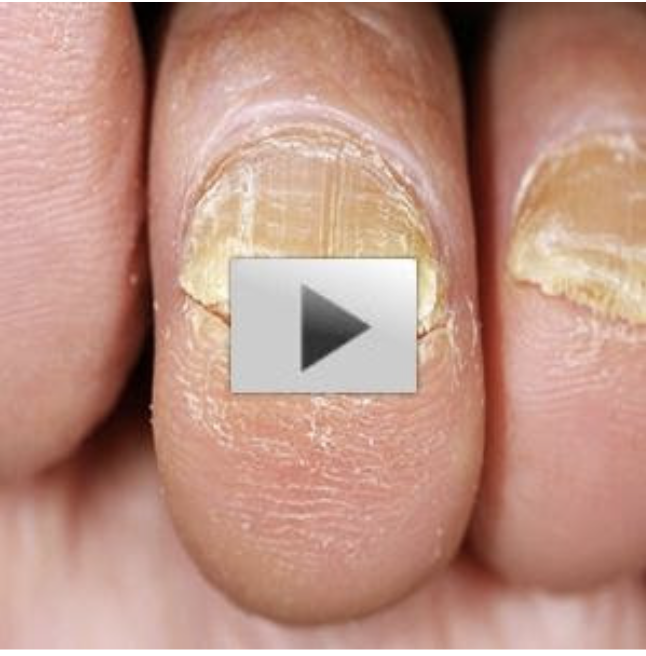
Nail fungus (onychomycosis) is often brushed off as a cosmetic issue, but it’s much more than that — especially if you have blood sugar concerns. Fungi thrive in warm, moist, nutrient-rich environments, and elevated glucose gives them an extra advantage.
Here’s why blood sugar imbalance can make nail fungus more likely and more stubborn:
1️⃣ Glucose Feeds the Fungus
High blood sugar increases glucose levels in tissues and sweat, which fungi use as fuel. This is why infections often worsen or resist treatment in people with poorly controlled blood sugar.
2️⃣ Weakened Immune Response
Chronically elevated glucose impairs white blood cell function. These cells are crucial for identifying and destroying fungal invaders. Reduced immune activity allows fungus to persist and spread from nail to nail.
3️⃣ Reduced Circulation
Long-term blood sugar issues can damage small blood vessels, especially in the extremities. Poor circulation slows healing, reduces oxygen delivery, and limits the immune system’s ability to fight fungal infections. This is why toenail fungus is more common than fingernail fungus, although fingernails can also be affected.
4️⃣ Persistent and Recurrent Infections
Unlike other minor skin infections, nail fungus grows slowly and can stick around for months or even years. Blood sugar imbalance contributes to this persistence, making it harder to fully eradicate the fungus with topical creams alone.
5️⃣ Early Warning Sign
Nail fungus can sometimes be one of the first visible signs that your blood sugar isn’t well-controlled, especially if it:
-
Keeps coming back despite treatment
-
Affects multiple nails
-
Accompanies other infections or skin problems
Health Implications and Risks
-
Persistent infection: nail fungus is slow-growing and can last months or years without proper care.
-
Spread to other nails or skin: untreated infections can move from toe to toe, or even to fingernails.
-
Secondary bacterial infections: damaged nails and surrounding skin can become infected with bacteria like Staphylococcus aureus.
-
Pain and mobility issues: severe infections can thicken nails, causing discomfort when walking or wearing shoes.
-
Early warning sign of blood sugar problems: recurring nail fungus can indicate poor glucose control or immune compromise.
Practical prevention includes keeping nails clean and dry, trimming properly, rotating shoes, using antifungal treatments as needed, and addressing blood sugar control for long-term results.
The Bottom Line
Blood sugar problems don’t just impact your metabolism — they create conditions that allow Candida, eczema, and nail fungus to flourish.
High glucose:
-
Feeds fungi and yeast
-
Weakens the immune system
-
Increases inflammation
-
Slows healing
If you struggle with recurring skin infections, persistent eczema flare-ups, or stubborn nail fungus, addressing blood sugar is a critical step. Supporting your immune system, stabilizing glucose, and practicing careful skin and nail care can reduce infections and improve overall health.
1 tbsp of THIS Wipes Out Nail and Skin Fungus FAST…
Every nail and skin fungus sufferer must see THIS urgent video!
There’s a mind-bending solution that has been crushing every single lab test, leaving doctors speechless…
In fact, this totally surprising mix of ingredients is so powerful…
That taking just one tablespoon can make any infection vanish almost overnight…
While completely clearing your nails and skin…
And without you having to use any creams or antibiotics.
It’s all explained on this page:
>> 1 Tablespoon of THIS Wipes Out Skin and Nail Fungus (Click Here)
Disclaimer:
This content is for informational and educational purposes only. It is not intended to provide medical advice or to take the place of such advice or treatment from a personal physician. All readers/viewers of this content are advised to consult their doctors or qualified health professionals regarding specific health questions. Neither Abraham Parker, nor the publisher of this content takes responsibility for possible health consequences of any person or persons reading or following the information in this educational content. All viewers of this content, especially those taking prescription or over-the-counter medications, should consult their physicians before beginning any nutrition, supplement or lifestyle program.