When most people think about diabetes or blood sugar problems, they usually picture carbs, sugar, weight gain, or lack of exercise.
Very few people ever consider something like parasites.
At first, the idea can sound a little out there. But when you look at how the body actually regulates blood sugar—through inflammation, hormones, gut health, and nutrient absorption—it becomes easier to see how certain hidden infections could make glucose control more difficult.
To be clear right from the start:
Parasites are not a primary cause of diabetes.
However, in some individuals, they can act as a metabolic stressor that worsens insulin resistance, inflammation, and blood sugar instability.
Think of parasites less as the spark—and more like fuel on an already smoldering fire.
How Parasites Can Influence Blood Sugar
1. Chronic Inflammation Can Drive Insulin Resistance
Parasites don’t just quietly live in the body. They trigger an ongoing immune response.
When the immune system stays activated:
- Inflammatory chemicals like cytokines increase
- Insulin signaling becomes less effective
- Cells stop responding properly to insulin
This is the same underlying mechanism seen in obesity-related insulin resistance.
Over time, chronic low-grade inflammation can make blood sugar harder to control—even if diet and lifestyle are relatively good.
2. They Can Disrupt the Gut Microbiome
Many parasites live in or affect the digestive tract.
This can:
- Alter beneficial gut bacteria
- Damage the intestinal lining
- Increase intestinal permeability (“leaky gut”)
Why that matters:
Your gut plays a major role in:
- Glucose metabolism
- Appetite hormones
- Inflammation control
When the microbiome is disrupted, the body becomes more prone to insulin resistance and metabolic dysfunction.
3. Parasites Can Steal or Block Key Nutrients
Some parasites consume nutrients before your body can use them—or interfere with absorption.
This can lower levels of:
- Magnesium (critical for insulin function)
- Zinc (needed for insulin production)
- B vitamins (essential for glucose metabolism)
- Iron and amino acids
When these nutrients drop:
- Insulin works less efficiently
- Blood sugar becomes more unstable
- Fatigue and cravings increase
This creates a frustrating cycle of poor glucose control.
4. Stress Hormones Often Rise During Infection
Parasitic infections activate the body’s stress response.
That can mean:
- Elevated cortisol
- Increased adrenaline
- More glucose released from the liver
Cortisol is designed to raise blood sugar in emergencies—but when it stays elevated long term, it promotes:
- Insulin resistance
- Abdominal fat storage
- Persistent high glucose levels
5. Liver and Pancreatic Stress
Some parasites affect organs directly involved in blood sugar regulation.
For example:
- Liver involvement can impair glucose storage and release
- Increased oxidative stress may strain pancreatic beta cells
- Reduced insulin output can follow
While these situations are less common in developed countries, they do occur—and are often overlooked.
Signs Parasites May Be Affecting Blood Sugar
Parasites rarely cause obvious symptoms. Instead, they tend to show up as patterns that don’t quite add up.
Here are some of the more common clues.
1. Unpredictable Blood Sugar Readings
You might notice:
- Fasting glucose that randomly jumps
- Big spikes from foods that normally don’t affect you
- Sudden crashes or reactive hypoglycemia
- Numbers that don’t match your diet
Inflammation and stress hormones can make insulin response inconsistent.
2. Strong or Unusual Sugar Cravings
Many people report:
- Intense carb or sweet cravings
- Feeling hungry soon after eating
- Nighttime snacking urges
This can happen because:
- Nutrients are being diverted
- Blood sugar dips trigger hunger signals
- Gut microbes can influence appetite hormones
It often feels like, “I just ate… why am I starving again?”
3. Fatigue After Meals Instead of Energy
Food should create energy. But when absorption is impaired:
- Blood sugar may spike and crash
- Nutrients aren’t fully utilized
- Energy production drops
Common experiences include:
- Sleepiness after eating
- Afternoon brain fog
- Energy rollercoasters throughout the day
4. Symptoms of Nutrient Deficiency
Because parasites can interfere with absorption, you may notice signs like:
Low magnesium
- Muscle cramps
- Eye twitches
- Poor sleep
- Increased insulin resistance
Low B vitamins
- Fatigue
- Brain fog
- Nerve tingling
Low zinc
- Weakened immunity
- Slow wound healing
- Blood sugar instability
When these nutrients are low, insulin function suffers.
5. Digestive Issues That Come and Go
Many parasites affect the gut, which can lead to:
- Bloating (often in the lower abdomen)
- Gas or pressure
- Alternating constipation and diarrhea
- Loose stools
- IBS-like symptoms
A key clue is that symptoms often cycle—better, then worse, then better again.
6. Skin Changes Linked to Insulin Resistance
Because inflammation and insulin affect the skin, you might notice:
- Dark patches on the neck or underarms
- Itchy or irritated skin
- Rashes without a clear cause
- Slow-healing cuts
These overlap with common blood sugar warning signs.
7. Sleep Disturbances
Some people report:
- Waking between 1–3 AM
- Restless sleep
- Night sweats
- Teeth grinding
Poor sleep raises cortisol, and elevated cortisol raises blood sugar—creating a feedback loop.
8. Elevated Inflammation Without a Clear Reason
Lab work may show:
- Higher CRP
- Elevated ferritin
- Ongoing low-grade inflammation
Chronic immune activation is a major driver of insulin resistance.
9. Blood Sugar That Doesn’t Improve “Like It Should”
This is often the biggest red flag.
Examples include:
- Eating clean but A1C barely changes
- Exercising with little improvement
- Medications helping less than expected
- Weight loss stalling despite effort
When the body is under hidden stress, metabolic progress can be unusually slow.
The Pattern That Raises Suspicion
It’s rarely just one symptom.
More often it’s a cluster:
Blood sugar issues + gut problems + fatigue + cravings + inflammation
That combination is what sometimes leads practitioners to look deeper.
Important Perspective
It’s crucial to keep this grounded.
- Parasites are not a common cause of diabetes in the United States
- Most blood sugar problems are still driven by:
- Diet
- Visceral fat
- Sleep quality
- Stress
- Genetics
However, in certain individuals—especially those with:
- Chronic digestive issues
- Travel exposure
- Unexplained inflammation
- Sudden metabolic changes
…hidden infections can act as a contributing factor that makes blood sugar harder to control.
The Takeaway
If blood sugar problems persist despite solid lifestyle habits, it may be worth considering that something else is placing stress on the system.
Parasites can:
- Increase inflammation
- Disrupt the gut microbiome
- Steal key nutrients
- Elevate stress hormones
- Interfere with normal glucose regulation
They are rarely the root cause—but in the right circumstances, they can be an overlooked piece of the metabolic puzzle.
Sometimes improving blood sugar isn’t just about cutting carbs or exercising more.
It’s about identifying and reducing the hidden stressors that keep the body stuck in survival mode.
Breaking: Hidden Parasite Destroying Your Pancreas (And How to Stop It)
Did you know that every 17 seconds someone in America is diagnosed with type 2 diabetes?
And every 7 seconds, another person dies from its deadly complications.
But here’s the breakthrough that changes everything…
Dr. Robert Stevens — a board-certified endocrinologist and senior researcher with studies connected to Johns Hopkins and Cambridge — has uncovered the real cause of diabetes:
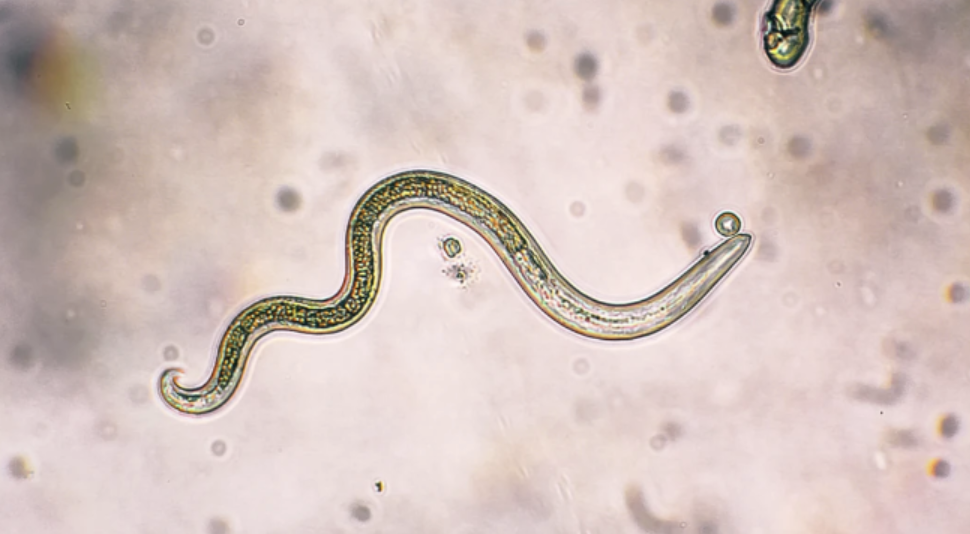
A hidden parasite called Eurytrema pancreaticum that silently attacks your pancreas, feeding on insulin and destroying the cells that keep your blood sugar stable.
Now that we know the true cause, there’s finally a way to eliminate it.
Dr. Stevens developed a natural protocol called the Glucose Reset Ritual, which kills this parasite and reactivates your body’s natural ability to produce GLP-1 — your built-in blood sugar regulator.
The results?
– Pamela from Texas dropped her glucose from over 300 to 94 in just six weeks.
– Adam from Illinois saw his A1c stabilize at 5.5% and now eats whatever he wants — without fear.
And these are just two of the thousands of success stories.
You’ll be shocked at how simple it is to reverse diabetes once you target the root cause — instead of just masking symptoms with endless meds.
Watch this short presentation while it’s still online:
>> Watch The Breakthrough Presentation Now
Stay healthy…
Dr. Garrett Neff
P.S. With this natural morning ritual, you can finally enjoy the foods you love without guilt — and without worrying about blood sugar spikes. Don’t miss this life-changing discovery.
Disclaimer:
This content is for informational and educational purposes only. It is not intended to provide medical advice or to take the place of such advice or treatment from a personal physician. All readers/viewers of this content are advised to consult their doctors or qualified health professionals regarding specific health questions. Neither Abraham Parker, nor the publisher of this content takes responsibility for possible health consequences of any person or persons reading or following the information in this educational content. All viewers of this content, especially those taking prescription or over-the-counter medications, should consult their physicians before beginning any nutrition, supplement or lifestyle program.