For many people, coffee isn’t just a beverage—it’s a daily ritual, a comfort, and sometimes a lifeline. If you’re diabetic or insulin-resistant, you’ve probably heard mixed messages: Coffee is good for blood sugar!… No wait, caffeine spikes glucose!
The truth? Coffee can be blood-sugar friendly—but only if you drink it the right way. And some of the most effective strategies aren’t the ones you usually hear about.
Here are several uncommon, science-backed ways to make coffee healthier for diabetics—without sacrificing taste or enjoyment.
1. Drink Coffee After Food—Not on an Empty Stomach
This is one of the most overlooked blood sugar hacks.
Drinking coffee first thing in the morning—especially black coffee—can trigger:
-
Cortisol release (the “stress hormone”)
-
Increased insulin resistance
-
A spike in fasting blood glucose, even without sugar
Why this matters:
Caffeine stimulates cortisol, and cortisol raises blood sugar by telling the liver to release glucose.
What to do instead:
Have coffee after breakfast or at least alongside protein or fat. This buffers the cortisol response and dramatically reduces glucose spikes.
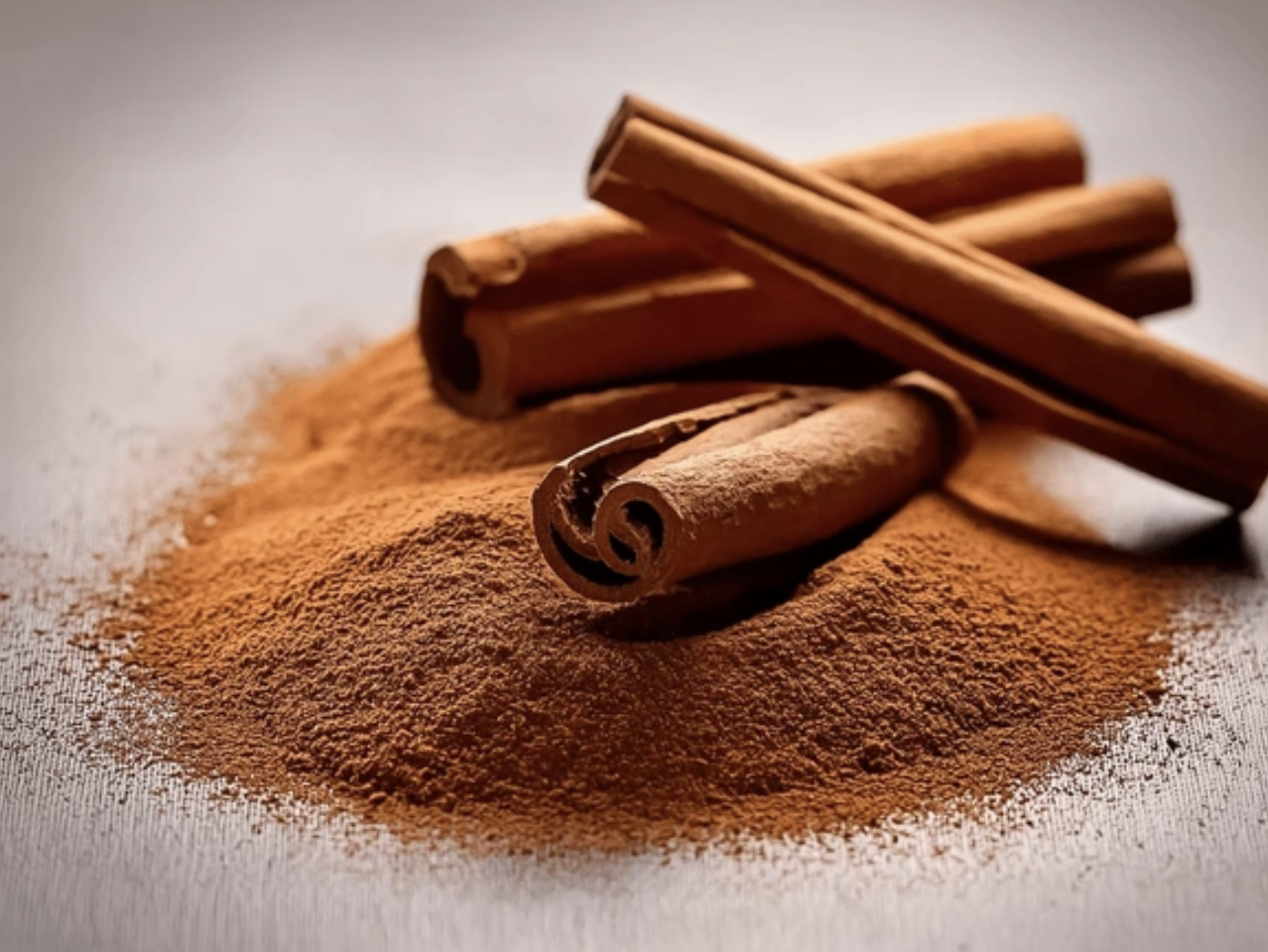
2. Add Cinnamon—But Use the Right Kind
Most people sprinkle cinnamon for flavor. Fewer realize it can directly impact insulin sensitivity.
Ceylon cinnamon (not cassia) has been shown to:
-
Improve insulin signaling
-
Reduce post-meal glucose spikes
-
Support better fasting blood sugar over time
How to use it:
-
¼ to ½ teaspoon in your coffee
-
Or brew coffee with a cinnamon stick
Bonus: Ceylon cinnamon is lower in coumarin, making it safer for long-term use.
3. Try a “Fat-First” Coffee (But Skip the Sugar Bombs)
Healthy fats slow glucose absorption and reduce the blood sugar impact of caffeine.
Better fat options for diabetics:
-
Grass-fed butter (small amount)
-
MCT oil (start with 1 tsp)
-
Unsweetened coconut cream
Why it works:
Fat delays gastric emptying, keeping blood sugar steadier and preventing caffeine-induced crashes.
What to avoid:
Sweetened creamers, syrups, and “keto” products loaded with hidden sweeteners.
4. Brew It Cold (Literally)
Cold brew coffee isn’t just smoother—it’s less acidic and gentler on blood sugar.
Cold brewing:
-
Reduces chlorogenic acid breakdown (which can spike glucose in some people)
-
Lowers stomach irritation (which can trigger cortisol)
-
Often requires less cream or sweetener
If hot coffee upsets your stomach or raises your glucose, cold brew may be a surprisingly effective swap.
5. Add Magnesium—Yes, to Your Coffee
Magnesium deficiency is extremely common in people with diabetes and insulin resistance.
Magnesium:
-
Improves insulin sensitivity
-
Helps regulate glucose transport
-
Calms the nervous system (counteracting caffeine stress)
How to do it:
-
Add magnesium glycinate or threonate to your routine (not directly to hot coffee)
-
Or pair coffee with magnesium-rich foods (nuts, seeds, dark chocolate)
Many people see better fasting glucose just by correcting magnesium deficiency.
6. Use Coffee as a Polyphenol Delivery System
Coffee is loaded with polyphenols—but you can enhance their benefits.
Add-ins that amplify glucose control:
-
Cocoa powder (unsweetened): improves insulin sensitivity
-
Vanilla extract: improves palatability without glucose impact
-
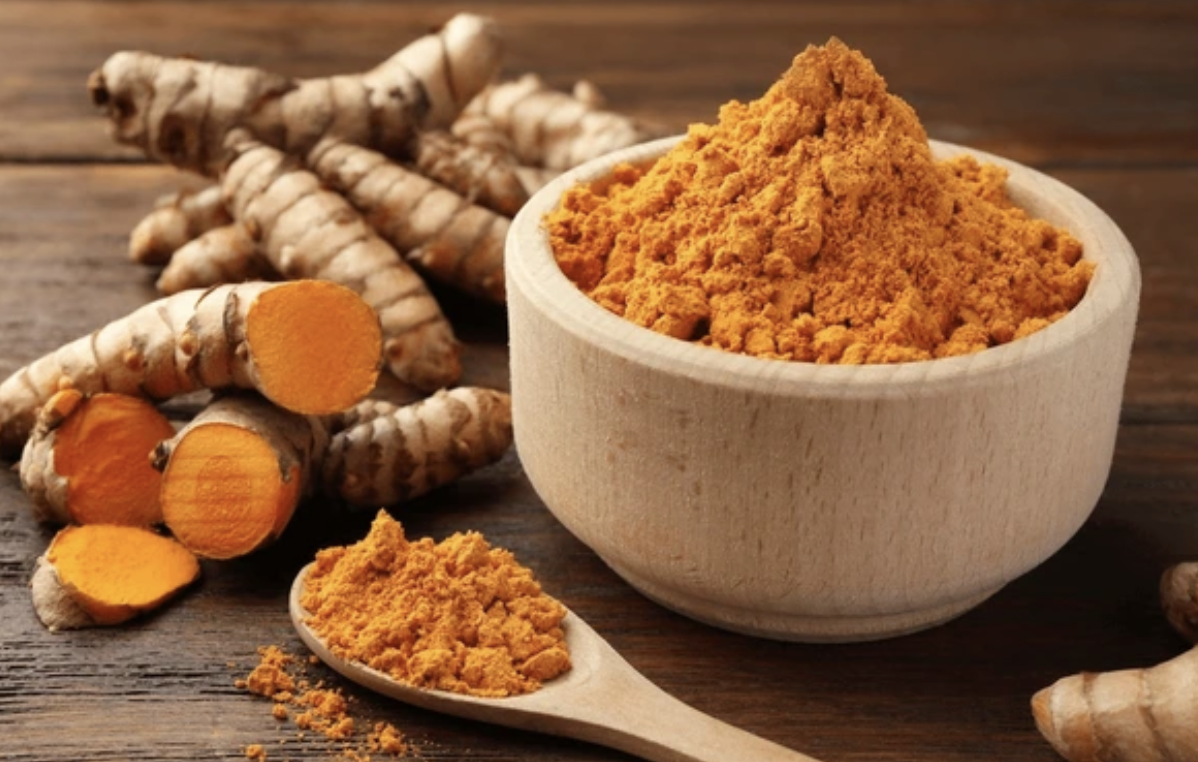
Turmeric + black pepper: reduces inflammation linked to insulin resistance
Think of coffee as a functional beverage—not just caffeine.
7. Watch the Timing, Not Just the Ingredients
Even perfect coffee can backfire if timed poorly.
Best practices:
-
Avoid coffee within 90 minutes of waking
-
Avoid coffee late afternoon (can worsen sleep → worse glucose control)
-
Drink coffee earlier in the day when insulin sensitivity is naturally higher
Poor sleep alone can raise insulin resistance by 30–40%—coffee timing matters more than most people realize.
8. Consider Half-Caff or Low-Caffeine Options
Some diabetics are simply more caffeine-sensitive.
Caffeine can:
-
Increase glucose output from the liver
-
Reduce insulin sensitivity short-term
-
Trigger adrenaline-driven glucose spikes
Switching to:
-
Half-caff
-
Low-caffeine beans
-
Or alternating with decaf
…can significantly improve glucose stability without giving up the ritual.
The Bottom Line
Coffee doesn’t have to be “bad” for diabetics—but how you drink it matters far more than whether you drink it.
By:
-
Timing coffee correctly
-
Pairing it with fats or food
-
Using insulin-supportive add-ins
-
And respecting your personal caffeine sensitivity
…coffee can become a supportive tool, not a blood sugar landmine.
You don’t need to quit coffee, you just need to drink it smarter!
Weird “Coffee Shortcut” SLASHES 80 Points Off Your Blood Sugar?
Can this tasty “coffee shortcut” really SLASH 80 points off your blood sugar?
The results of this new study show that adding this 1 tasty, fatty snack to your diet can give you:
75% improved insulin sensitivity… healthier blood sugar… 35% healthier triglycerides… 10% lower cholesterol… and even a flatter stomach!

Best of all, it’s a perfect companion for your morning coffee.
>>> Add THIS To Your Morning Coffee For Healthier Blood Sugar
I’m never going back to metformin again!
Disclaimer:
This content is for informational and educational purposes only. It is not intended to provide medical advice or to take the place of such advice or treatment from a personal physician. All readers/viewers of this content are advised to consult their doctors or qualified health professionals regarding specific health questions. Neither Abraham Parker, nor the publisher of this content takes responsibility for possible health consequences of any person or persons reading or following the information in this educational content. All viewers of this content, especially those taking prescription or over-the-counter medications, should consult their physicians before beginning any nutrition, supplement or lifestyle program.