If you’ve ever dealt with ringing in your ears (tinnitus) or unexplained hearing changes, you’ve probably been told things like “It’s age,” “It’s noise exposure,” or “It’s just stress.”
But there’s a much less talked-about cause that deserves attention:
👉 Blood sugar problems
Yes — issues like insulin resistance, prediabetes, blood sugar spikes, and diabetes can absolutely contribute to tinnitus and even hearing loss. And for many people, this connection flies completely under the radar.
Let’s break it down in plain English.
Why Blood Sugar Matters for Your Hearing
Your inner ear is one of the most metabolically sensitive organs in your body. It relies on:
-
Constant blood flow
-
Healthy nerves
-
Stable energy supply
When blood sugar is unstable, all three can take a hit.
1. Tiny Blood Vessel Damage (A Big Deal)
High blood sugar damages small blood vessels first — not the big ones.
The inner ear depends on extremely tiny capillaries to deliver oxygen and nutrients. When those vessels are compromised:
-
Blood flow decreases
-
Oxygen delivery drops
-
Inner ear cells become stressed or damaged
This can lead to:
-
Ringing or buzzing sounds
-
Muffled hearing
-
Gradual hearing loss over time
This is similar to how diabetes affects the eyes and kidneys — just less talked about.
2. Nerve Damage Can Affect Sound Processing
Chronic high blood sugar can damage nerves (a condition called neuropathy).
Most people think of neuropathy in the feet or hands — but the auditory nerve can be affected too.
When that nerve is irritated or damaged:
-
Sound signals don’t transmit properly
-
The brain may “fill in the gaps” with phantom sounds
That phantom sound is often tinnitus.
3. Blood Sugar Swings (Not Just High Levels)
Here’s something many people miss:
It’s not only high blood sugar — rapid ups and downs matter too.
Sudden drops in blood sugar can:
-
Reduce energy supply to the inner ear
-
Trigger temporary ringing, pressure, or fullness
Some people notice tinnitus:
-
When they skip meals
-
After eating lots of sugar or refined carbs
-
Late at night or during fasting
If your tinnitus comes and goes, blood sugar swings are worth looking at.
4. Insulin Resistance = Inflammation
Insulin resistance doesn’t just affect weight or energy — it increases systemic inflammation and oxidative stress.
The inner ear is especially vulnerable to both.
Over time, this inflammation can contribute to:
-
Sensorineural hearing loss
-
Persistent or worsening tinnitus
What Research Shows (In Simple Terms)
Studies consistently show:
-
People with diabetes are about twice as likely to have hearing loss
-
Prediabetes and metabolic syndrome are also linked to tinnitus
-
Better blood sugar control often reduces tinnitus severity
While damage isn’t always reversible, symptoms frequently improve when glucose levels stabilize.
Signs Blood Sugar Might Be Playing a Role
You might want to look at blood sugar if:
-
Your tinnitus fluctuates during the day
-
Ringing worsens after sugary or carb-heavy meals
-
You experience fatigue, thirst, or frequent urination
-
You’ve been told you have prediabetes, insulin resistance, or diabetes
These patterns are clues — not coincidences.
What Actually Helps
If blood sugar is contributing to tinnitus or hearing issues, these strategies can make a real difference:
Lifestyle basics
-
Eat regularly if fasting worsens symptoms
-
Reduce refined sugar and ultra-processed carbs
-
Add light movement after meals (walking helps a lot)
-
Improve insulin sensitivity with resistance training
Nutrients that support nerves & ear health
-
Magnesium (supports nerve signaling)
-
B vitamins (especially B12)
-
Alpha-lipoic acid (used in diabetic neuropathy)
-
Omega-3 fatty acids (anti-inflammatory)
A Quick Reality Check
Not all tinnitus is blood sugar–related.
Other common causes include:
-
Loud noise exposure
-
Jaw (TMJ) issues
-
Certain medications
-
Iron deficiency
-
Thyroid problems
That said, blood sugar is one of the most overlooked contributors — and one of the most actionable.
Final Thoughts
If you’ve been chasing tinnitus answers with no clear explanation, it may be worth looking beyond your ears and toward your metabolism.
Sometimes, stabilizing blood sugar doesn’t just help energy and weight — it quiets the noise too.
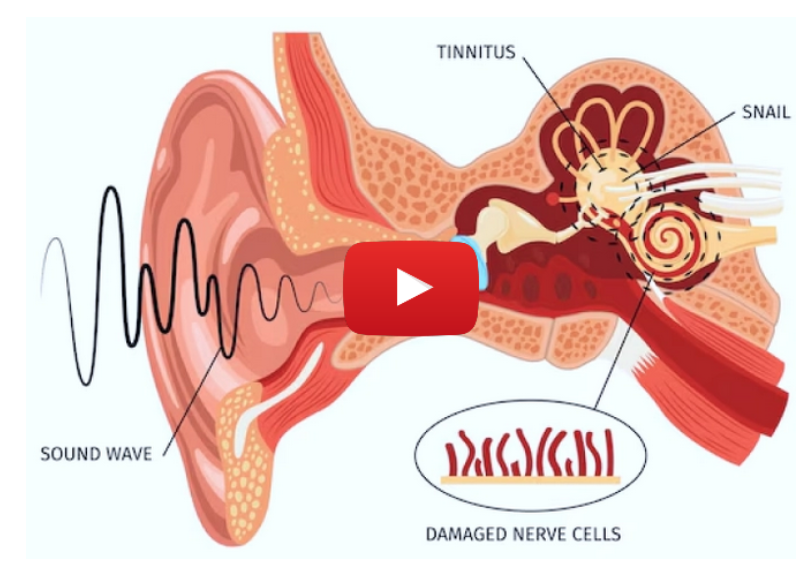
Scientists Discover The ‘Tinnitus Off Switch’ (New Study Shows Amazing Results)
Did you know tinnitus isn’t always about hearing loss?
New research reveals a hidden cause: A tiny “noise filter” in your ears meant to block unnecessary sounds can get stuck OFF.
When this happens, sound signals get trapped in your brain, creating that endless ringing or buzzing.
But here’s the good news…
Harvard scientists discovered a simple 5-second “Ear Filter Reset” that helps your brain silence tinnitus naturally no drugs, hearing aids, or expensive treatments.
Over 36,000 people have already used it to quiet the noise for good.
Why haven’t you heard of this? Big Pharma and hearing aid companies profit from keeping you dependent.
This free video reveals the breakthrough but it might not stay online forever. Tap below to watch it now:
>> Unplug Your Stuck Ear Filter & Stop the Ringing Today
To your peace and quiet!
Disclaimer:
This content is for informational and educational purposes only. It is not intended to provide medical advice or to take the place of such advice or treatment from a personal physician. All readers/viewers of this content are advised to consult their doctors or qualified health professionals regarding specific health questions. Neither Abraham Parker, nor the publisher of this content takes responsibility for possible health consequences of any person or persons reading or following the information in this educational content. All viewers of this content, especially those taking prescription or over-the-counter medications, should consult their physicians before beginning any nutrition, supplement or lifestyle program.