

High-mercury fish can contribute to hair loss through toxic, nutritional, hormonal, and cellular mechanisms—especially when eaten frequently over time. Here’s a clear, in-depth breakdown of how and why this happens.
1. Mercury Accumulates in the Body—and Hair Is an Early Target
Mercury (particularly methylmercury) bioaccumulates in tissues. Large predatory fish concentrate mercury because they eat many smaller fish over their lifetime.
Hair follicles are highly sensitive because they:
-
Have rapid cell turnover
-
Require constant nutrient delivery
-
Are vulnerable to oxidative stress
As mercury levels rise, the body often sheds hair as a protective detox response, pushing mercury into hair strands for elimination. This can show up as diffuse shedding rather than patterned baldness.
2. Mercury Depletes Key Hair-Growth Nutrients
Mercury binds tightly to minerals and proteins, making them unavailable for use. This leads to functional deficiencies even when intake looks adequate.
Key nutrients affected:
-
Zinc – critical for follicle repair and testosterone regulation
-
Iron – necessary for oxygen delivery to hair roots
-
Selenium – protects follicles from oxidative damage
-
Copper – involved in hair pigmentation and strength
Low zinc and iron are two of the most common nutrient deficiencies associated with unexplained hair loss.
3. Disruption of Thyroid Function
Mercury interferes with thyroid hormone conversion (T4 → T3). The thyroid regulates:
-
Hair growth cycles
-
Follicle regeneration speed
-
Scalp blood flow
Even subclinical thyroid dysfunction can:
-
Push hairs into the telogen (shedding) phase
-
Cause thinning at the crown or temples
-
Make hair dry, brittle, and slow-growing
Many people with mercury exposure show normal lab results but impaired hormone signaling at the tissue level.
4. Oxidative Stress Damages Hair Follicle Stem Cells
Mercury generates reactive oxygen species (ROS), overwhelming antioxidant defenses.
This leads to:
-
Damage to follicle stem cells
-
Premature follicle miniaturization
-
Shortened anagen (growth) phase
Over time, this can make hair regrow thinner after each cycle—or stop regrowing altogether.
5. Hormonal Interference and Androgen Sensitivity
Mercury acts as an endocrine disruptor:
-
Increases sensitivity to DHT (dihydrotestosterone)
-
Interferes with estrogen and cortisol balance
-
Amplifies stress-related hair loss pathways
For men, this can accelerate androgen-related thinning.
For women, it often causes diffuse shedding or widening parts.
6. Gut Disruption → Poor Nutrient Absorption
Mercury alters gut microbiota and damages the intestinal lining, which reduces absorption of:
-
Protein
-
B-vitamins (especially biotin and B12)
-
Minerals essential for keratin production
Poor digestion often precedes hair loss by months.
High-Mercury Fish to Limit or Avoid (Especially Weekly Consumption)
-
Bigeye tuna (highest risk)
-
Swordfish
-
King mackerel
-
Shark
-
Tilefish
-
Large albacore tuna (frequent cans)
Safer Fish That Support Hair Growth
These provide omega-3s without mercury overload:
-
Sardines
-
Wild salmon
-
Anchovies
-
Herring
-
Trout
Signs Hair Loss May Be Mercury-Related
-
Sudden diffuse shedding
-
Hair loss despite good nutrition
-
Fatigue + brain fog + thinning hair
-
Poor response to supplements
-
Hair mineral tests showing elevated mercury
Key Takeaway
Hair follicles are early warning systems. Mercury exposure:
-
Starves follicles of nutrients
-
Disrupts hormones
-
Damages follicle stem cells
-
Triggers protective shedding
HOWEVER – despite Mercury – Doing THIS is making your hair thinner (stop immediately)…
Something I learned during my 25 years studying women’s hair loss changed everything I thought I knew about why hair gets thinner…
I was reviewing the latest research on scalp health when I noticed my office plant looking wilted.
As I poured water on its waxy leaves, watching it bead up and roll off instead of absorbing…
That’s when it hit me.
The breakthrough studies I’d been reading showed the same suffocating pattern was happening around hair follicles in women experiencing thinning.
Your follicles aren’t dying from age or hormones like everyone thinks…
They’re literally being suffocated.
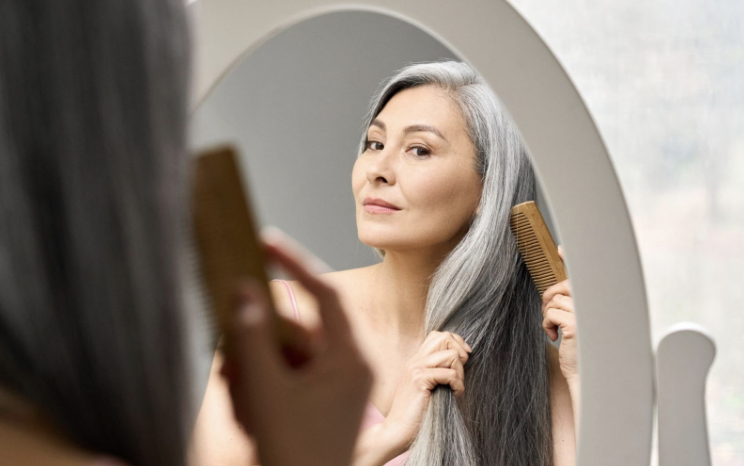
And those expensive shampoos promising thicker hair? They might actually be making this suffocation worse.
See, your scalp is skin – delicate skin housing over 100,000 follicles that need expert care.
Yet… we often wash it with ingredients that create waxy buildup, slowly choking your follicles. No wonder why so many treatments don’t work.
You can’t grow healthy hair in a suffocating environment.
Just like mature skin needs different care than young skin. Your changing scalp needs the same sophisticated, organic approach…
After 25 years of studying hair loss, I can confidently say that this simple ’15-Second Scalp Revival Method’ is one of my favorite ways to address these issues at the source.
Every day you wait, more follicles could become suffocated. Take action now!
Click HERE to Watch My Free Presentation Here Where I Talk About This Method
Disclaimer:
This content is for informational and educational purposes only. It is not intended to provide medical advice or to take the place of such advice or treatment from a personal physician. All readers/viewers of this content are advised to consult their doctors or qualified health professionals regarding specific health questions. Neither Abraham Parker, nor the publisher of this content takes responsibility for possible health consequences of any person or persons reading or following the information in this educational content. All viewers of this content, especially those taking prescription or over-the-counter medications, should consult their physicians before beginning any nutrition, supplement or lifestyle program.


